
Introduction
In the world of outdoor advertising, design and content usually get the most attention. However, behind every eye-catching billboard is a powerful support system that ensures the message stands strong and visible. That support system is the hoarding board structure — the true backbone of outdoor displays. While it may not be visible to the public eye, the structure is what determines the durability, safety, and effectiveness of any hoarding. Without a strong and well-designed structure, even the most creative advertisement can fail.
As businesses compete for visibility on highways, rooftops, and cityscapes, the need for sturdy and long-lasting hoarding structures has become more important than ever. In this blog, we’ll dive deep into what a hoarding board structure is, the materials used in its construction, the installation process, safety considerations, and why it’s a vital element in successful outdoor marketing.
What is a Hoarding Board Structure?
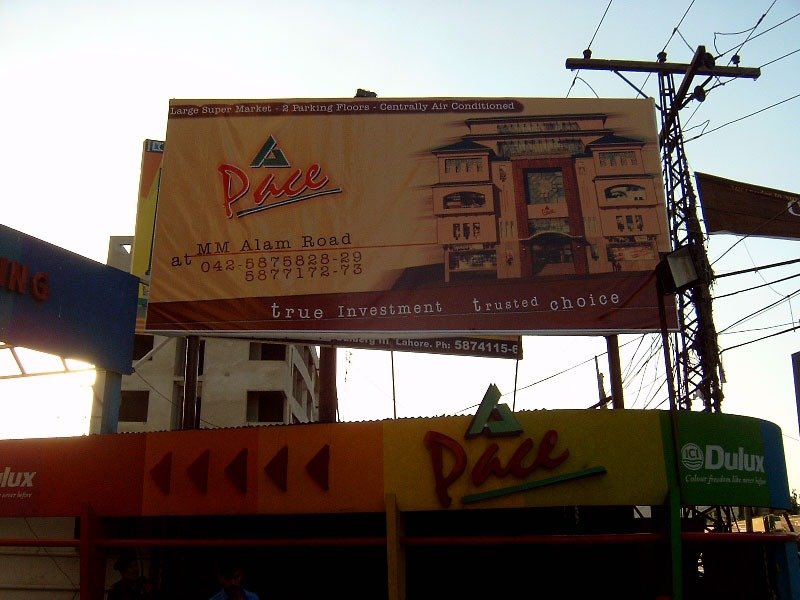
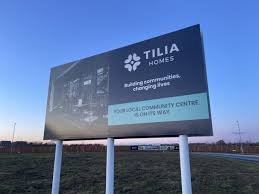
A hoarding board structure refers to the complete physical framework that holds a billboard or hoarding in place. It includes the steel or metal frame, the base or foundation, mounting systems, and the panel surface where the advertisement is displayed. This structure is responsible for keeping the board upright and stable, whether it’s on the side of a highway, on a building rooftop, or inside a construction site. Its design must take into account environmental conditions such as wind pressure, rain, sunlight, and even earthquakes in some regions.
Not all hoarding board structures are the same. Their design depends on various factors like size, location, purpose, and how long the hoarding is expected to stay in place. For example, a temporary hoarding at a construction site might be different from a permanent hoarding installed on top of a commercial plaza. But in all cases, the core idea is the same — to ensure the structure can support the weight of the board and resist external forces safely.
Materials Used in Hoarding Board Structure
The choice of materials plays a major role in the overall strength and longevity of the hoarding. Most structures are made from galvanized iron (GI) or mild steel (MS), both of which are known for their strength and resistance to corrosion. These metals can endure harsh weather conditions and provide long-term durability with minimal maintenance.
The framework is usually fabricated off-site using welding and cutting techniques based on engineering drawings. Once fabricated, it is brought to the installation location, assembled, and fixed in place. For the advertising panel surface, materials like aluminum composite panels (ACP), flex banners, or vinyl sheets are commonly used. These display materials are designed to be lightweight yet weather-resistant and can be easily changed or replaced for new campaigns.
In high-end projects, anti-rust paint, powder coating, or galvanization is applied to the metal structure to extend its life. The base or foundation is either concrete-based (for ground installations) or bolted into existing surfaces (for rooftops or wall-mounted hoardings). Every component of the structure must be selected based on engineering calculations, local building codes, and safety standards.
Installation Process
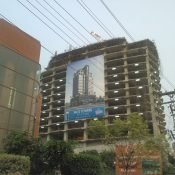
Installing a hoarding board structure is a multi-step process that requires technical planning and expertise. It typically starts with a site inspection, where engineers evaluate the ground condition, space availability, and best angles for visibility. This step is crucial, as it helps identify the kind of structure that would be most suitable — ground-mounted, rooftop-mounted, or wall-mounted.
After the site survey, a structural design is created by professionals using engineering software. This design includes details like the height of the structure, the width of the board, load-bearing capacity, and wind resistance. Once the design is finalized and approved, the fabrication process begins. The steel frame is cut and welded according to specifications, and the foundation work is prepared at the site. In the case of ground-mounted hoardings, large concrete blocks are poured into dug-up areas to hold the structure in place. For rooftops, the frame is usually bolted onto structural beams or concrete slabs.
Once the frame is securely fixed, the display surface is attached. This might be a printed vinyl banner, a backlit ACP sheet, or a flex board — depending on the type of advertisement. After installation, the final step is inspection and testing. Engineers check for stability, alignment, and safety before approving it for use.

Importance of a Strong Structure
While the design and creativity of an advertisement can draw attention, only a well-built hoarding board structure can ensure that the message stays in place and is seen by the intended audience. A weak or poorly installed structure not only risks damage but can also become a safety hazard, especially in high-traffic areas or during extreme weather.
Businesses often underestimate the importance of structural quality and opt for cheaper options. However, these cost-saving choices can backfire in the long run. A damaged hoarding not only affects brand reputation but also leads to additional repair or reinstallation costs. More importantly, it can result in legal liabilities if it causes injury or property damage.
In contrast, investing in a professional hoarding board structure means peace of mind. The advertisement will stay upright, presentable, and effective throughout the campaign duration — and even beyond, if needed.
Maintenance and Longevity
Like any outdoor installation, hoarding structures require routine maintenance. Regular inspections should be carried out to check for rust, paint peeling, loose bolts, or cracks in the foundation. Especially in regions with heavy rainfall or humidity, metal structures can deteriorate faster if not properly protected.
Maintenance includes repainting the steel frame with anti-rust coatings, tightening bolts, checking for structural tilts, and ensuring the display panel is securely attached. In case of backlit or LED hoardings, the lighting systems also need to be inspected and replaced if necessary.
With proper care and maintenance, a hoarding board structure can last for several years without any major repairs. This not only saves cost over time but also ensures continuous brand exposure without disruptions.

Legal and Safety Considerations
Another important factor in hoarding installation is compliance with local laws and safety regulations. Most cities require permission from municipal authorities before installing any outdoor hoarding. There are rules about height limits, electrical wiring for lights, safety zones, and even aesthetics in some areas.
Ignoring these regulations can lead to heavy fines or forced removal. That’s why it’s always recommended to work with licensed contractors or agencies that are familiar with local building codes. A certified structure not only meets safety standards but also reflects professionalism and credibility.
Conclusion
The hoarding board structure is the silent hero of every successful outdoor advertisement. While the visual design may grab the spotlight, it’s the strength, balance, and reliability of the structure that keeps the message standing tall. From the materials used to the way it is installed and maintained, every detail matters.
In today’s competitive market, visibility is everything — and that visibility depends on more than just creativity. It depends on quality engineering, professional installation, and durable materials. Whether you’re a business owner planning a new campaign or an advertising agency managing multiple locations, never compromise on the structure. Because behind every great hoarding is a strong foundation — both literally and figurativel